Introduction to EV Home Charging in Malaysia
As Malaysia accelerates toward green mobility, transitioning from public DC fast chargers to a dedicated home EV charging system is the ultimate convenience for every Electric Vehicle owner. At Amtech EV, as Malaysia's premier EV charger supply, consultation, and certified installation specialist, we encounter numerous inquiries regarding home charging infrastructure. Installing a Level 2 AC wallbox is not merely about plugging in an appliance; it is a permanent electrical modification requiring strict adherence to national safety standards, utility provider regulations, and engineering best practices.
Whether you drive a BYD Seal, a Tesla Model Y, a smart #1, or a Porsche Taycan, understanding the intricacies of electrical phases, Suruhanjaya Tenaga (Energy Commission) guidelines, and Tenaga Nasional Berhad (TNB) tariffs will save you thousands of Ringgit and ensure absolute safety for your family and property.
Understanding AC Charging Speeds: 7.4kW vs 11kW vs 22kW
When selecting a home wallbox, your choice must balance your home's electrical supply capacity, your EV's onboard charger (OBC) limit, and your daily driving mileage. Let's break down the three primary AC charging tiers available in Malaysia:
1. Single-Phase 7.4kW (32A)
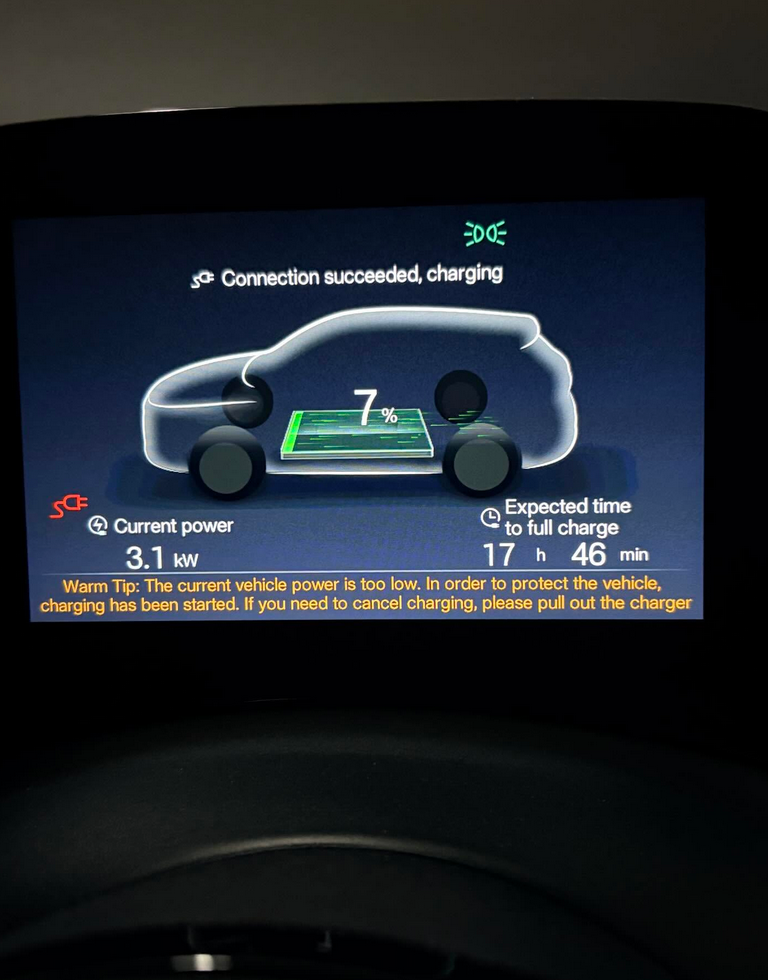
The 7.4kW wallbox is the most common residential installation in Malaysia. It operates on a single-phase 230V supply at 32 Amperes. Most Malaysian landed properties are equipped with a single-phase TNB supply rated at 30A or 60A. A 7.4kW charger can comfortably replenish a 60 kWh battery from 10% to 100% in roughly 7 to 8 hours overnight.
2. Three-Phase 11kW (16A per phase)
An 11kW wallbox requires a three-phase electrical supply (400V). Many modern European and premium Chinese EVs (such as the BMW iX3, Audi e-tron, and certain Tesla models) feature 11kW onboard chargers. It provides a balanced load across all three phases of your home supply, delivering a full charge in approximately 5 to 6 hours.
3. Three-Phase 22kW (32A per phase)
The 22kW wallbox represents the pinnacle of residential AC charging, drawing 32A across all three phases. However, its adoption is constrained by two major factors: very few consumer EVs support 22kW AC charging onboard (notable exceptions being the Renault Zoe and Porsche Taycan with optional upgrades), and most standard residential TNB supplies are capped at 60A per phase, meaning a 22kW charger will consume a massive portion of your total household capacity.
| Charging Tier | Power Output | Electrical Supply Required | Typical Charging Time (0-100%) | Best Suited For |
|---|---|---|---|---|
| Single-Phase AC | 7.4 kW (32A) | Single-Phase (230V) | 7 - 9 Hours | Most Malaysian landed homes & daily commuters |
| Three-Phase AC | 11 kW (16A/phase) | Three-Phase (400V) | 5 - 6 Hours | Homes with 3-phase supply & 11kW-capable EVs |
| Three-Phase AC | 22 kW (32A/phase) | Three-Phase (400V) | 2.5 - 3.5 Hours | High-end EVs with 22kW OBC & heavy daily mileage |
Malaysian Regulatory Framework & Safety Standards
Safety is non-negotiable when dealing with high-current electrical installations. In Malaysia, EV charger installations are strictly governed by statutory bodies and technical codes:
Suruhanjaya Tenaga (ST) Guidelines
According to the Energy Commission (Suruhanjaya Tenaga), all EV charging equipment installed in residential and commercial premises must comply with MS IEC 61851 (EV conductive charging system) and MS IEC 62196 (Type 2 connectors / CCS2). Furthermore, any fixed electrical installation work must be performed by a Suruhanjaya Tenaga-certified Electrical Contractor or Competent Person.
Protection Requirements: Type B RCCB & Earthing
To prevent fatal electrical shocks and protect against residual direct current (DC) faults:
- RCD Protection: A dedicated Type B Residual Current Circuit Breaker (RCCB) or a Type A RCCB combined with a 6mA DC residual direct current detection device (RDC-DD) must be installed upstream of the charger.
- Dedicated Earthing: A dedicated TT earthing rod must be driven into the soil near the charging station, ensuring earth resistance is strictly maintained below 10 ohms (<10 Ω) as per MS IEC standards.
Jabatan Bomba dan Penyelamat Malaysia (JBPM)
For high-rise residential properties (Condominiums and Apartments), the Fire and Rescue Department of Malaysia requires JMB/MC committees to evaluate fire suppression readiness, proper signage, and ensure charging bays do not obstruct emergency escape routes.
TNB Requirements, Tariffs, and Supply Upgrades
Before deploying a wallbox, an electrical assessment of your property is mandatory. If your home runs on a single-phase 30A supply and you wish to install a 7.4kW charger (which draws 32A continuously), you risk tripping your main circuit breaker whenever you run air conditioning and kitchen appliances simultaneously.
TNB Supply Upgrade Process
- Load Assessment: An Amtech EV certified engineer evaluates your current TNB bill and incoming supply breaker.
- Application: Submission of a supply upgrade application to TNB (Single-Phase to Three-Phase upgrade, typically shifting from 30A/60A single-phase to 60A three-phase).
- Meter Replacement: TNB replaces your existing meter with a smart meter capable of handling multi-phase loads and Time-of-Use (ToU) tracking.
Pro Tip on TNB Tariffs: While standard Domestic Tariff A applies to most homes, Malaysian EV owners can explore future-proofing their energy consumption by integrating rooftop Solar PV systems (Net Energy Metering - NEM 3.0 Rakyat), effectively driving your EV charging cost down to virtually zero during peak daylight hours.
Government Incentives: LHDN Tax Relief up to RM2,500
To encourage green adoption, the Malaysian Government through LHDN (Lembaga Hasil Dalam Negeri) provides individual income tax relief of up to RM2,500 for expenses related to:
- Purchase, installation, rental, or hire-purchase subscriptions of EV charging equipment.
- Electrical supply upgrade fees paid directly to TNB or certified contractors.
Note: Keep all official tax invoices and contractor compliance certificates issued by certified specialists like Amtech EV for your annual tax filing.
Step-by-Step Installation Process with Amtech EV
Executing a flawless installation involves a meticulous engineering workflow:
- Site Audit: Virtual or physical assessment of your parking bay, distance from the distribution board (DB), and cable routing.
- Quotere & Equipment Selection: Choosing the right smart charger (e.g., Schneider, ABB, Wallbox, or branded OEM units) equipped with RFID, Wi-Fi/4G app control, and dynamic load balancing.
- Wiring & Protection Deployment: Running UV-resistant XLPE/PVC armored cables through heavy-duty conduits, installing dedicated MCBs, Surge Protection Devices (SPD), and Type B RCCBs.
- Testing & Commissioning: Conducting insulation resistance testing, loop impedance testing, and earth electrode resistance testing using calibrated multi-function testers before handover.
Frequently Asked Questions (FAQ)
1. Can I install an EV wallbox myself or hire a general contractor?
No. Under Malaysian law (Electricity Supply Act 1990), electrical installation work exceeding standard domestic loads must be carried out by Suruhanjaya Tenaga certified personnel. DIY installations void your home insurance, vehicle warranty, and violate legal safety codes.
2. Do I need permission from my JMB or MC if I live in a condominium?
Yes. If you live in a strata property, you must submit a formal proposal to your Joint Management Body (JMB) or Management Corporation (MC). Amtech EV assists strata residents with technical layout drawings and compliance documentation required for JMB approval.
3. How much does a professional EV charger installation cost in Malaysia?
Standard installations generally range from RM1,800 to RM4,500 excluding the wallbox unit itself, depending on cabling distance from your DB box, wall penetration, trenching, and whether a TNB phase upgrade is required.
4. Can my EV charger be installed outdoors exposed to rain and sun?
Yes, provided the wallbox has an Ingress Protection rating of at least IP55 or IP65. Amtech EV exclusively supplies weather-resistant units designed to withstand Malaysia's tropical humidity and heavy monsoon downpours.